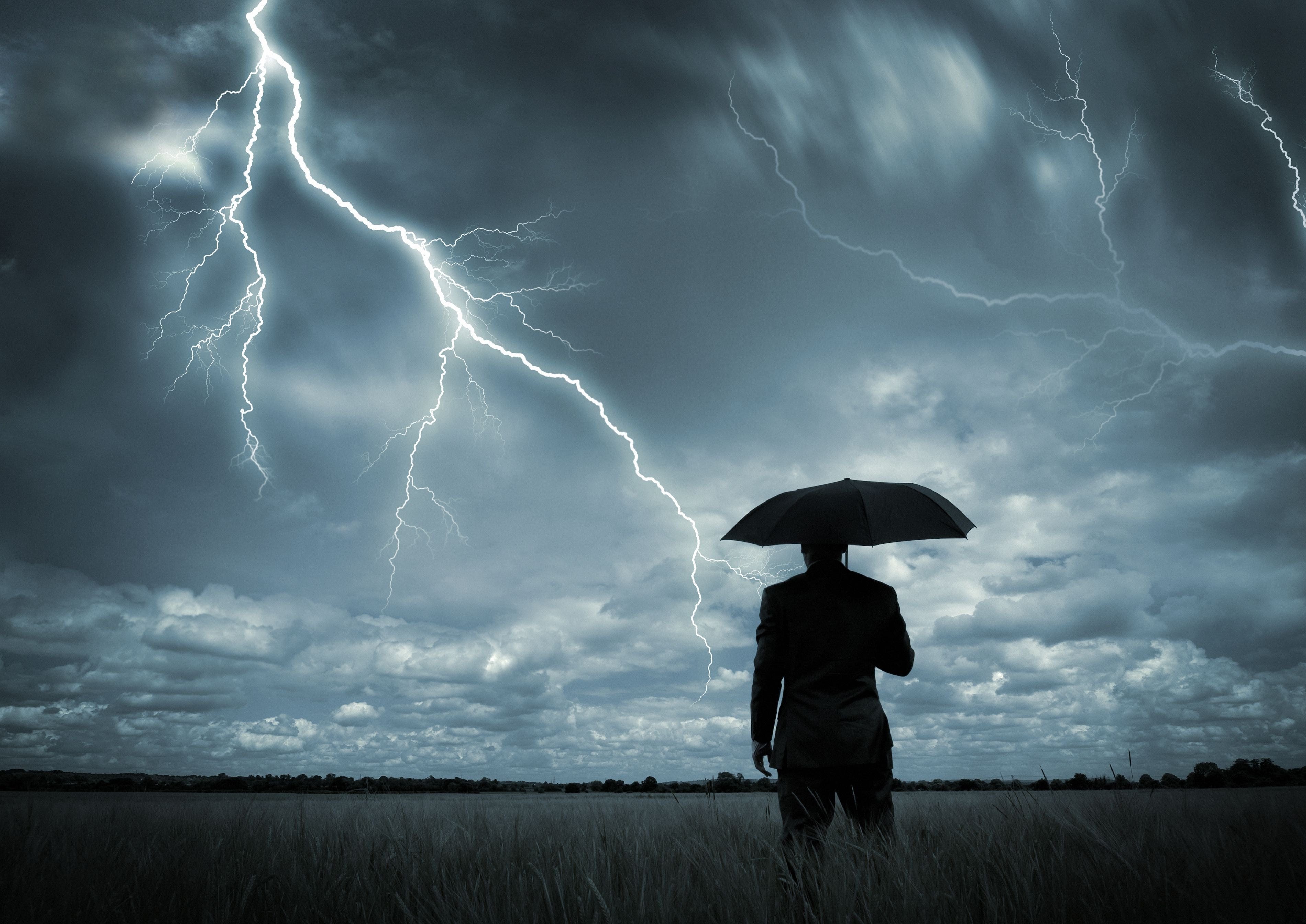
The Phenomenon of Secondary Lightning Strikes: Understanding the Risks
Secondary lightning strikes, often referred to as ground currents, occur when a bolt of lightning hits the ground and then travels outward in search of a conductive path. These strikes can pose significant risks to individuals and property, especially in open areas where the effects of a primary lightning strike can be amplified. According to the National Weather Service, a substantial percentage of lightning-related injuries happen due to these secondary strikes, as people might think they are safe after the initial strike.
Understanding the risks associated with secondary lightning strikes is crucial for enhancing safety during thunderstorms. Some key factors to consider include:
- Distance: Secondary strikes can occur several miles from the original strike point.
- Surges: Electrical surges from the ground can affect people who are not directly struck.
- Conductive pathways: Objects like metal fences or water pipes can channel electrical energy, increasing danger.
Awareness and preparation are vital in minimizing risks during stormy conditions.
Counter-Strike is a popular first-person shooter game series known for its team-based gameplay and competitive nature. Players can choose to be part of either the terrorist or counter-terrorist team, executing various strategies to achieve objectives. For gamers looking to enhance their overall experience, using the right accessories is vital; for example, you might want to check out the Top 10 iPhone charging cables to ensure your devices are always ready for action.
What Causes Lightning to Strike in the Same Place Twice?
Many people have heard the saying, "Lightning never strikes the same place twice," but meteorological science tells us otherwise. In fact, certain locations are more susceptible to repeated lightning strikes due to their geographical features and the presence of tall structures. For instance, skyscrapers and communication towers often attract lightning because they serve as a pathway for electrical discharge in the atmosphere. Areas like Lightning Alley in Florida are famous for their high frequency of lightning strikes, making it clear that some locations are indeed prone to being hit multiple times.
Moreover, the concept of what causes lightning to strike in the same place twice can also be attributed to the specific meteorological conditions present during thunderstorms. The intense updrafts in cumulonimbus clouds can create a positive charge at certain heights, which can subsequently lead to repeated strikes in the vicinity of the cloud. Therefore, if you're curious about predicting where lightning might strike more than once, keep an eye on tall structures as well as areas with frequent thunderstorm activity; it's a phenomenon that is both fascinating and scientifically backed.
The Science Behind Lightning: How It Forms and Why It Dances in the Sky
The phenomenon of lightning is a fascinating display of nature's power, stemming from complex atmospheric processes. It begins when thunderstorms develop large cumulonimbus clouds, where intense vertical movements of air create different charges within the cloud. As smaller ice particles collide with larger ones, electrons are transferred, resulting in areas of positive and negative charges. Once the electrical potential becomes strong enough, it triggers a discharge, creating a brilliant flash of light that we observe as lightning.
There are several types of lightning, each with its own unique characteristics. The most common type is cloud-to-ground lightning, which can travel as far as 5 miles from its parent thunderstorm. Another fascinating type is intra-cloud lightning, which occurs within a single cloud and appears as a flickering dance of light. This electrifying showcase not only illuminates the sky but also plays a crucial role in regulating the Earth’s atmosphere by balancing electrical charges. Understanding the science of lightning helps us appreciate its beauty and significance in our environment.