The Evolution of Charging Technology: What’s Next for Your Devices?
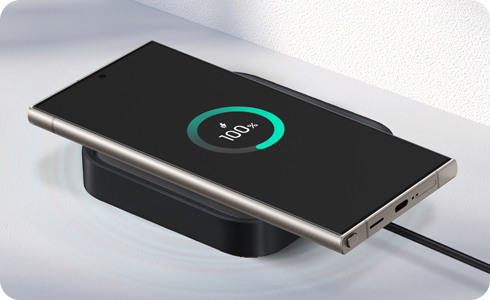
The evolution of charging technology has significantly transformed the way we power our devices, moving from bulky, low-efficiency chargers to sleek, high-speed solutions. In the early days, charging involved cumbersome connectors and time-consuming wait periods. Today, we have USB-C ports and fast-charging protocols that can recharge our devices in a matter of minutes. Innovations such as wireless charging and power banks have further enhanced our convenience, enabling consumers to stay connected without being tethered to an outlet. The demand for faster and more efficient charging solutions continues to drive advancements in this space, making it an essential consideration for manufacturers and users alike.
Looking ahead, the future of charging technology promises even more exciting developments. Concepts like solar charging and ultra-fast charging are on the horizon, potentially allowing devices to charge in mere seconds. There is also a growing focus on sustainability, with innovations aimed at reducing e-waste and employing eco-friendly materials. As we continue to embrace the Internet of Things (IoT), charging solutions will need to evolve to support an increasing number of smart devices. Whether it’s through improved battery chemistry or groundbreaking power delivery systems, the next generation of charging technology is set to redefine how we interact with our gadgets.
Counter-Strike is a popular first-person shooter game that has captivated players around the world with its tactical gameplay and team-based mechanics. It requires strategic planning, teamwork, and quick reflexes, making it a favorite in both casual and competitive gaming scenes. For gamers who want to enhance their experience, check out the Top 10 iphone accessories for students that can improve their setup. The game's various modes, including bomb defusal and hostage rescue, provide endless excitement and replayability.
How Smart Charging Solutions Are Revolutionizing Energy Consumption
As the world shifts towards sustainable energy sources, smart charging solutions are playing a pivotal role in revolutionizing energy consumption. These innovative technologies, which include intelligent chargers and energy management systems, optimize the charging process for electric vehicles (EVs) and other devices. By analyzing factors such as energy demand, grid capacity, and renewable energy availability, smart chargers ensure that charging occurs during periods of low demand or when renewable energy sources are at peak generation. This not only reduces costs for consumers but also alleviates pressure on the grid during peak times.
Moreover, smart charging solutions foster the integration of renewable energy, promoting a cleaner and more efficient energy ecosystem. For instance, users can schedule their charging sessions in alignment with solar or wind energy availability, thus reducing reliance on fossil fuels. These systems also offer real-time monitoring and data analytics, empowering users to make informed decisions about their energy consumption. As a result, individuals and organizations are not only saving on energy costs but also contributing to a more sustainable future. The impact of these advancements cannot be overstated; they represent a significant leap towards energy efficiency and environmental responsibility.
Are Your Devices Ready for the Next Generation of Power Management?
As technology evolves, the need for efficient power management has never been more crucial. Devices today consume vast amounts of energy, leading to higher costs and environmental concerns. To meet the demands of the next generation, manufacturers are focusing on innovative power management solutions that enhance performance while minimizing energy consumption. It's essential to ask yourself: Are your devices ready for the next generation of power management? Consider evaluating the features of your current devices, such as energy-saving modes, smart charging capabilities, and overall energy efficiency ratings.
In preparation for the coming advancements in power management, consumers should look for devices that integrate smart technology. This may include features like AI-assisted power distribution, which dynamically adjusts energy use based on real-time demand. Additionally, support for advanced connectivity options, such as IoT integration, can enable devices to communicate with each other, optimizing energy usage across the board. To ensure you're not left behind, consider upgrading your devices and keeping an eye on the latest innovations in power management technologies.