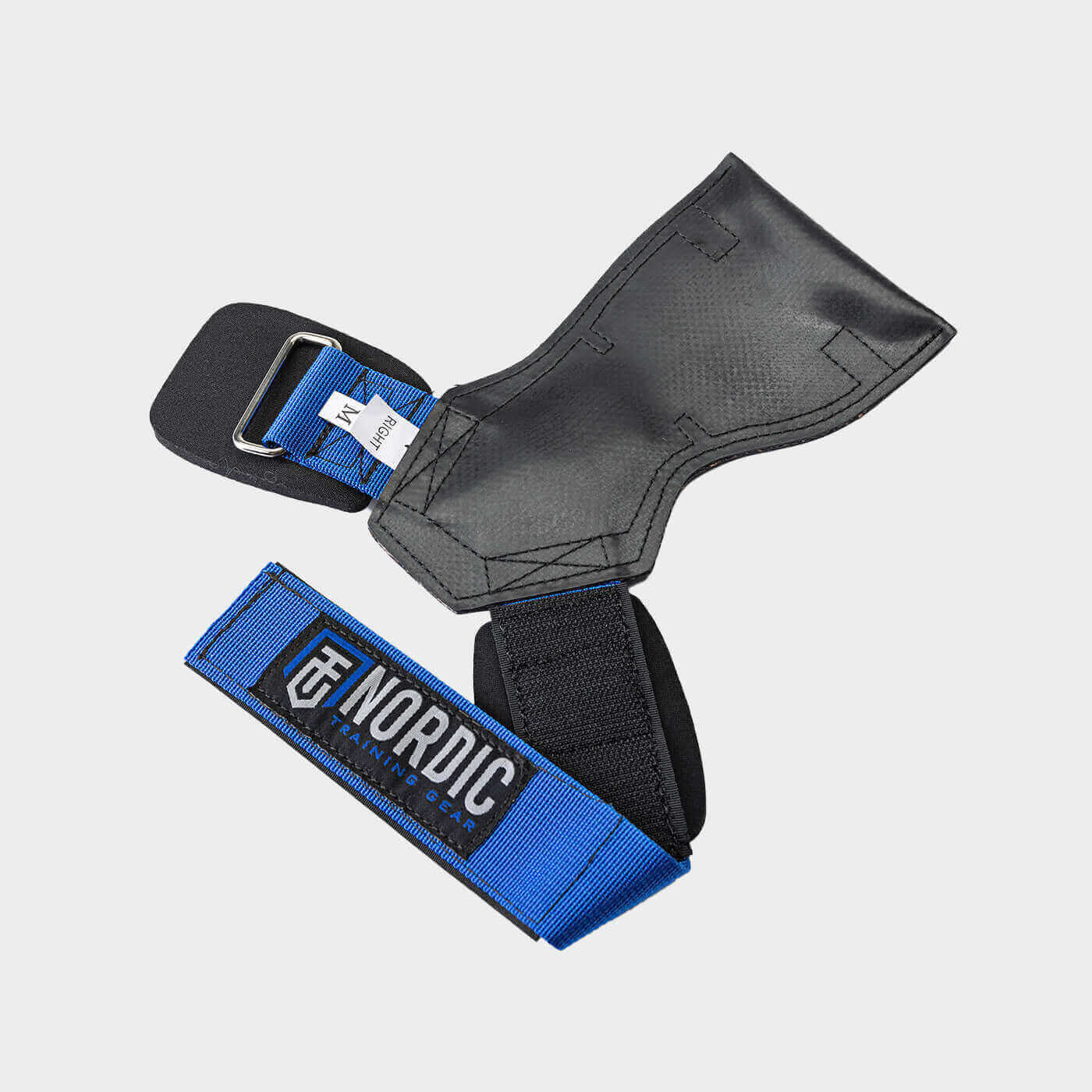
The Power of Grip: How Our Possessions Shape Our Identity
The way we grip our possessions speaks volumes about our identity. From the books we read to the gadgets we use, each item we own reflects our beliefs, values, and aspirations. For instance, a well-worn journal may indicate a creative mind, while the latest tech gadgets could denote a passion for innovation. These items not only serve practical purposes but also contribute to our self-image, as they help to express who we are and what we stand for. Consequently, our possessions can become extensions of ourselves, shaping how we perceive our identities in social contexts.
Moreover, the power of grip goes beyond personal identity; it can also foster connections with others. Shared interests in specific possessions can form the basis of friendships and social groups. For example, enthusiasts of vintage cars often bond over their shared passion for restoration and history. Additionally, possessions can also symbolize cultural identity, allowing individuals to connect with their roots and heritage. By recognizing the influence of our belongings, we can better understand both ourselves and the social dynamics that define our communities.
Counter-Strike is a popular multiplayer first-person shooter game that has captivated players since its release. Players are divided into two teams, terrorists and counter-terrorists, competing to complete objectives and eliminate each other. A key aspect of the game is strategy, which often involves teamwork and weapon selection. For those interested in enhancing their gaming experience, check out the Top 10 magsafe accessories that can improve both comfort and performance while playing.
Letting Go and Holding On: The Psychological Impact of Our Clutter
The process of letting go of possessions can be an emotionally charged experience, entwining our sense of self with the items we own. Many individuals struggle with the concept of holding on to clutter, as it often represents cherished memories or a sense of identity. Psychologically, the act of decluttering can lead to significant mental stress, where people may feel anxious about parting with their belongings or guilty for not having utilized them. Understanding the psychological impact of our clutter is crucial, as it can affect our overall well-being and influence our decision-making processes regarding what to keep and what to discard.
On the other hand, holding on to clutter can create a stagnant space that hinders personal growth and recovery. Research indicates that excessive clutter can heighten feelings of anxiety and overwhelm, leading to a chaotic environment that reflects our inner turmoil. By embracing the process of letting go, individuals can not only create physical space but also foster a mental clarity that promotes healing and focus. Consider adopting minimalism as a therapeutic approach, which encourages intentional living and helps in prioritizing what truly matters, thus transforming our surroundings into a sanctuary for growth and peace.
What Do Your Belongings Say About You? Exploring the Symbolism of Grip
Your belongings often speak volumes about your identity, preferences, and values. For instance, a well-worn book may indicate a love for literature or a quest for knowledge, while a collection of travel souvenirs symbolizes a spirit of adventure and exploration. The symbolism behind each item can provide insights not only into your interests but also into your personal journey. By analyzing what you choose to keep and display, you create a narrative that reflects who you are today, and maybe even who you aspire to be in the future.
Moreover, the act of grip—how you hold onto these belongings—can signify emotional attachment or a desire for security. Strongly cherished items often represent sentimentality, such as a family heirloom that conveys a legacy of love and connection. On the other hand, items that you find hard to part with might reveal deeper layers of your psyche, such as fear of letting go or a struggle with change. Thus, understanding the symbolism of grip gives you the power to curate a living space that not only resonates with your true self but also supports your personal growth.