Why 'Arietaleanizbeaskoa' Matters: Unpacking the Cultural Gem and Its Pronunciation Puzzle (with a Handy Guide and Common FAQs)
The term 'Arietaleanizbeaskoa' isn't just a jumble of letters; it represents a profound cultural touchstone, a linguistic artifact that encapsulates centuries of history, tradition, and identity. Understanding its significance goes beyond mere academic interest; it's about appreciating the rich tapestry of human expression and the stories embedded within language. For many, it's a symbol of resilience, a testament to the enduring spirit of a community that has preserved its heritage against various odds. Its very existence, and the discussions surrounding it, highlight fundamental concepts in linguistics and anthropology, such as language evolution, cultural transmission, and the powerful link between words and identity.
As linguists often assert, 'Language is the archive of a culture.' And 'Arietaleanizbeaskoa' is, in many ways, an entire wing of that archive.Digging into its roots offers not just historical insights but also a window into the values, beliefs, and artistic expressions of a specific populace.
Mastering the pronunciation of 'Arietaleanizbeaskoa' can feel like a formidable task, but it's a rewarding journey into the phonetic intricacies of its origin language. Our handy guide breaks down this complex word into manageable syllables, providing step-by-step instructions and common pitfalls to avoid. We'll address frequently asked questions such as:
- Is there a common abbreviation or nickname for 'Arietaleanizbeaskoa'?
- What are the most common mispronunciations and how can they be corrected?
- Are there regional variations in its pronunciation?
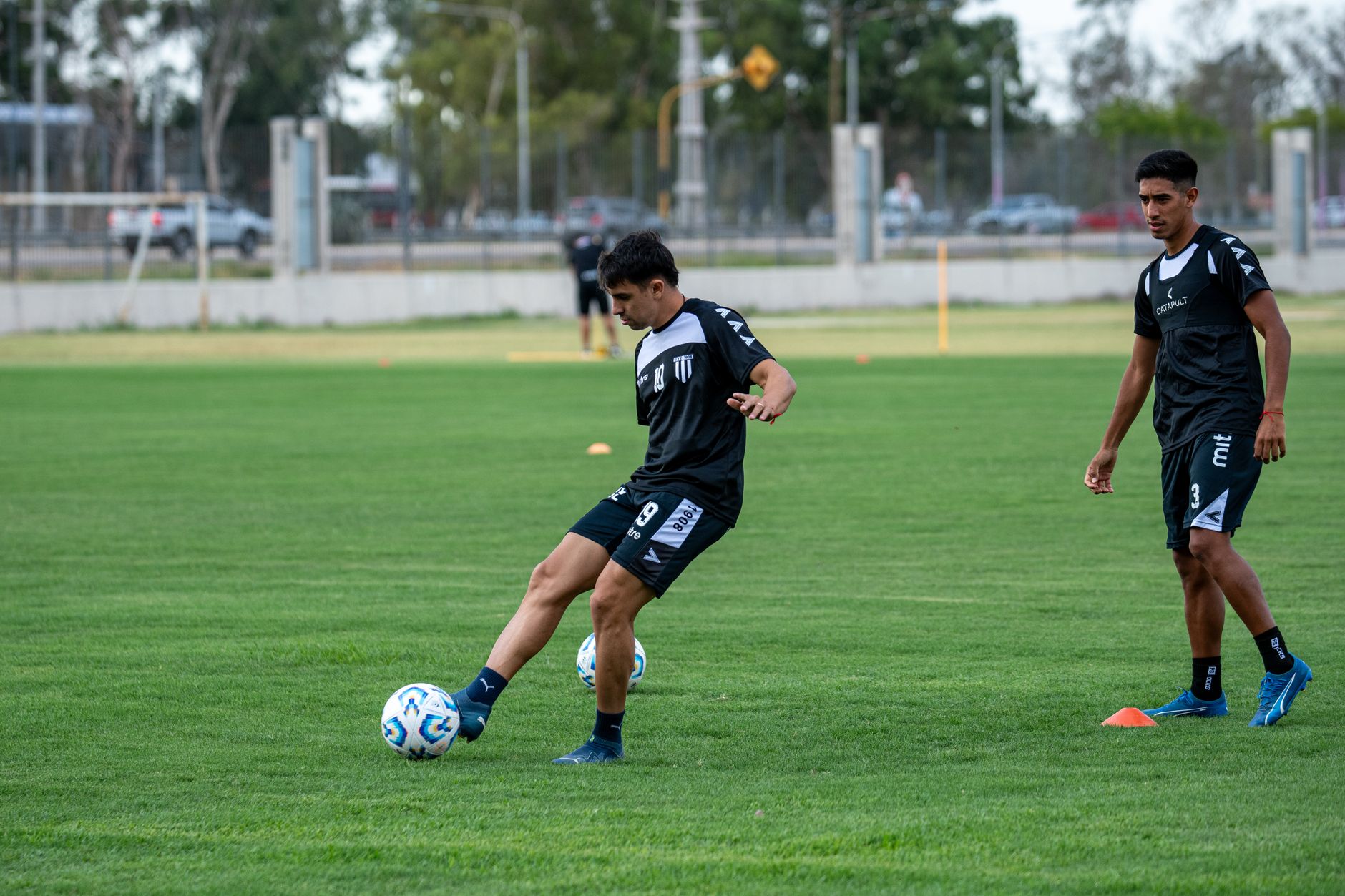
Unai Arietaleanizbeaskoa, a name that certainly stands out, has carved a niche for himself in the world of football. Hailing from Spain, Unai Arietaleanizbeaskoa is a professional footballer known for his adept skills and strategic play on the field. His career has seen him contribute to various teams, showcasing his talent as a formidable player in the sport.
Beyond the Tongue-Twister: Your Practical Guide to Mastering 'Arietaleanizbeaskoa' – From Remembering It to Sounding Like a Local (and Why It's Worth the Effort)
You’ve stumbled upon ‘Arietaleanizbeaskoa,’ and your first thought might be, “How on earth do I even begin to pronounce that?” Fear not! This isn't just about memorizing a string of letters; it's about unlocking a deeper connection with the content, culture, or concept it represents. Mastering such a seemingly insurmountable word isn't just a party trick; it's a testament to your dedication and a powerful tool for building rapport. Imagine the impact when you confidently articulate it, perhaps even with a touch of local flair. It immediately establishes you as someone who goes above and beyond, someone who truly understands the nuances, rather than just skimming the surface. This effort signals genuine interest and respect, opening doors to more authentic engagement and credibility, especially in niche or specialized fields.
So, where do you begin your linguistic journey? Forget rote memorization; think strategic deconstruction. Start by breaking 'Arietaleanizbeaskoa' into manageable phonemes or syllables. Often, these complex words have roots in simpler, more familiar sounds or even other languages. Consider searching for pronunciation guides online, listening to native speakers, and even using phonetic transcriptions. Don't be afraid to sound it out slowly, even awkwardly, at first. Practice makes perfect, and consistent, focused effort will yield results. Here's a simple initial approach:
- Listen: Find audio pronunciations from reliable sources.
- Deconstruct: Break the word into smaller, pronounceable chunks.
- Mimic: Try to replicate the sounds you hear, focusing on intonation.
The reward isn't just a correctly spoken word; it’s the confidence to engage more deeply and authentically.