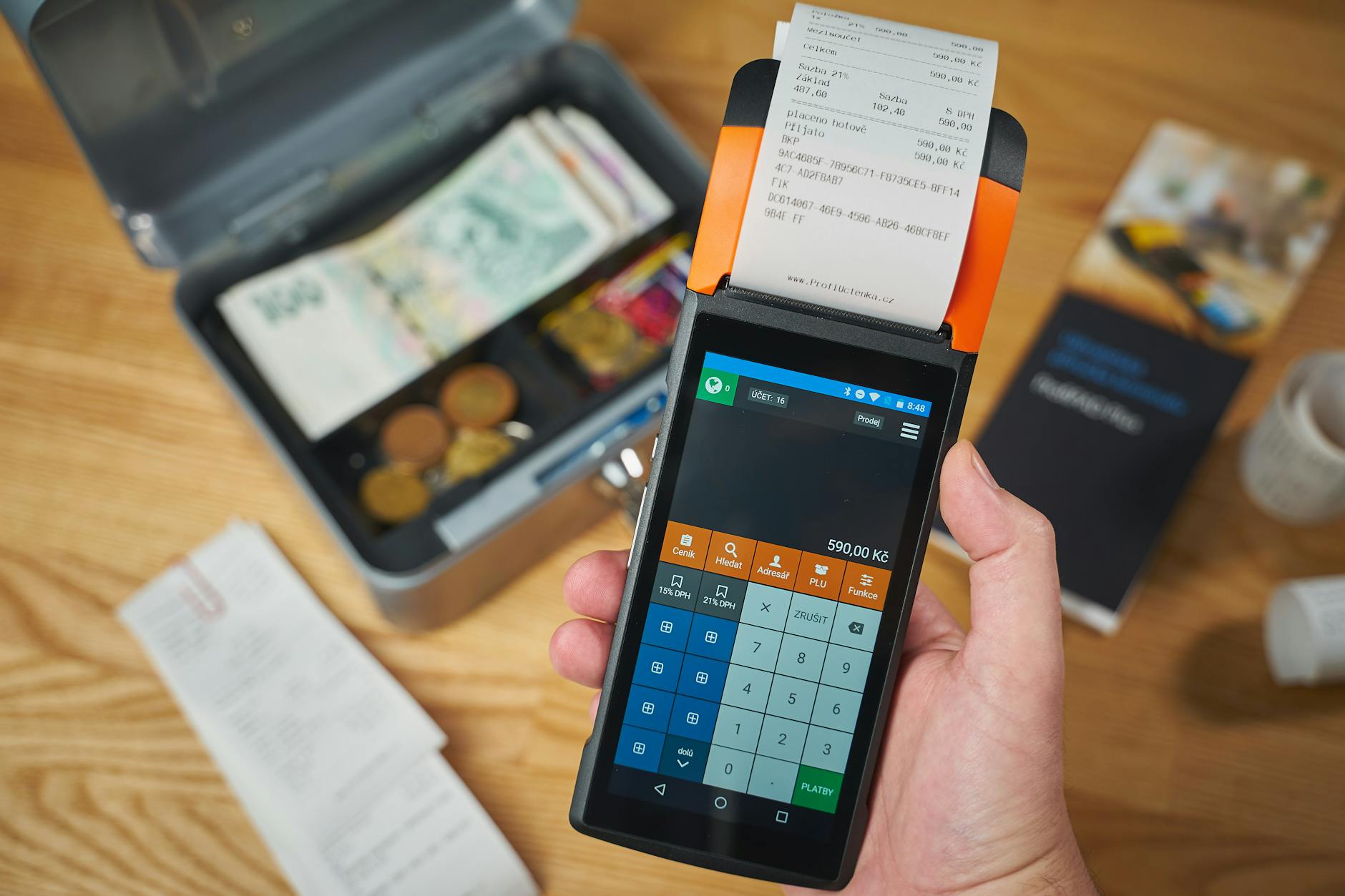
E-Invoicing Explained: From Basics to Benefits (Your Why and What)
E-invoicing, at its core, transcends the simple act of digitalizing a paper invoice. It represents a fundamental shift in how businesses manage their financial transactions, moving towards a streamlined, automated, and often legally mandated process. Unlike emailing a PDF, true e-invoicing involves the exchange of structured data directly between buyer and seller systems, often through a secure network or platform. This isn't just about saving trees; it's about enhancing accuracy, reducing manual intervention, and significantly accelerating payment cycles. Understanding this foundational difference is crucial, as many businesses mistakenly believe they're e-invoicing when they're merely sending digital documents. The "why" behind this evolution is rooted in efficiency, compliance, and a drive towards greater transparency in commercial exchanges.
The benefits of adopting a robust e-invoicing solution are multifaceted and impactful, extending far beyond initial cost savings. For businesses, this translates into a tangible competitive advantage. Consider the following:
- Reduced Processing Costs: Automation eliminates manual data entry errors and the associated rework.
- Faster Payments: Streamlined approval workflows and real-time visibility accelerate invoice processing and payment.
- Enhanced Compliance & Audit Trails: Structured data ensures adherence to regulatory requirements and provides an unalterable record.
- Improved Supplier Relationships: Prompt payments and clear communication foster stronger partnerships.
- Greater Data Accuracy: Minimizing human intervention drastically reduces errors inherent in traditional methods.
Embracing e-invoicing isn't just about modernizing; it's about future-proofing your business operations and unlocking significant operational efficiencies that directly impact your bottom line. It's the "what" that empowers your business to thrive in an increasingly digital economy.
E-invoicing is a modern, digital approach to traditional invoicing, where invoices are issued, transmitted, and received in a structured electronic format. This method streamlines the billing process, reduces manual errors, and enhances efficiency for businesses. To learn more about what is e-invoicing, it essentially involves the exchange of invoice data directly between the supplier's and buyer's systems, often through a secure network or platform, rather than relying on paper or unstructured digital formats like PDFs.
Navigating E-Invoicing: Practical Tips, Common Questions & Your Next Steps (Your How and What's Next)
Embarking on the journey of e-invoicing can seem daunting, but with the right guidance, it transforms into a significant advantage for your business. This section is designed to be your comprehensive guide, unraveling the complexities and providing actionable insights. We'll delve into practical tips for seamless implementation, from choosing the right software to training your team effectively. Understanding the various e-invoicing standards, such as Peppol or local mandates, is crucial for compliance and international trade. Furthermore, we’ll address the most common questions that arise during adoption, helping you anticipate and overcome potential hurdles. Our goal is to empower you with the knowledge to make informed decisions and ensure a smooth transition to a more efficient, digital invoicing process.
Beyond the initial setup, this section will also illuminate 'Your Next Steps' – focusing on the continuous optimization and benefits of e-invoicing. We'll explore how to leverage the data generated by e-invoices for better financial visibility and forecasting. Are you maximizing the automation potential for accounts payable and receivable? We’ll provide insights into advanced features and integrations that can further streamline your operations. Additionally, we’ll discuss how e-invoicing aligns with broader digital transformation strategies and regulatory changes, helping you stay ahead of the curve. Consider these questions:
- How can you measure the ROI of your e-invoicing solution?
- What are the best practices for cybersecurity in e-invoicing?
- How can e-invoicing improve your customer and vendor relationships?