Demystifying Decentralized Betting: How Crypto Transforms Your Wager & Why It Matters (FAQs Answered!)
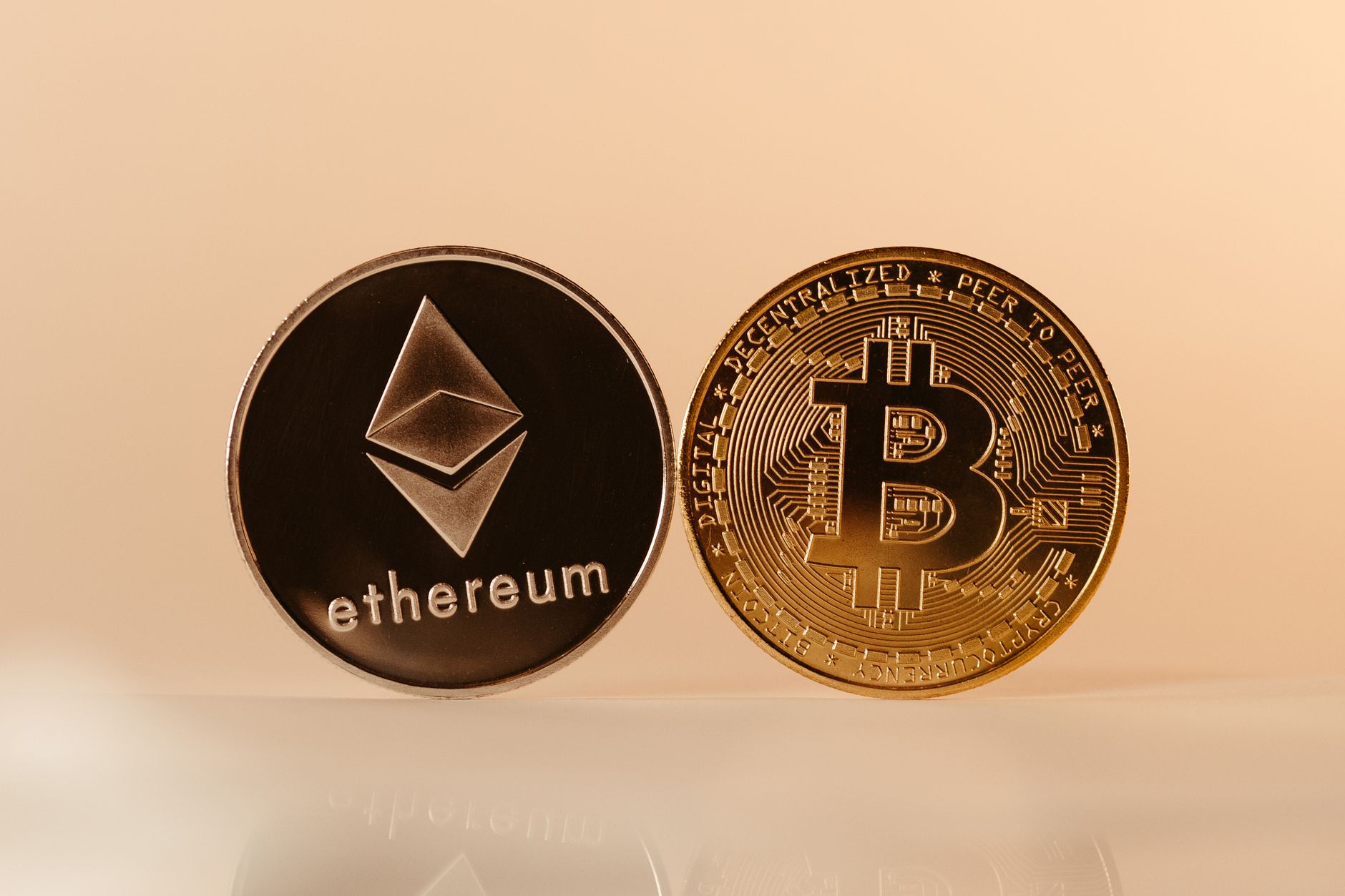
Decentralized betting, at its core, leverages blockchain technology to create a transparent, secure, and censorship-resistant wagering environment. Unlike traditional bookmakers that act as central intermediaries, crypto betting platforms operate on distributed ledgers, meaning no single entity controls the funds or outcomes. This fundamental shift eliminates many pain points associated with conventional gambling, such as slow payouts, opaque odds, and the risk of account closures. Instead, smart contracts automatically execute payouts based on predetermined conditions, ensuring fairness and removing the need for trust in a third party. Furthermore, the use of cryptocurrencies like Bitcoin and Ethereum for transactions often provides enhanced privacy and lower fees compared to traditional banking methods, making the entire process more efficient and user-centric.
The move towards decentralized betting isn't just a technological upgrade; it's a paradigm shift in how we conceive of trust and fairness in the gambling industry. It empowers users with greater control and transparency, fostering a more equitable and verifiable betting experience.This newfound autonomy is particularly appealing in jurisdictions with strict gambling regulations or where bettors feel disenfranchised by traditional operators. The inherent immutability of blockchain records means that all bets and payouts are publicly verifiable, fostering unprecedented levels of trust. This transparency, coupled with the potential for innovative betting markets and community-governed platforms, represents a significant evolution in the world of online wagering. Understanding these core principles is crucial for anyone looking to navigate the exciting and rapidly expanding landscape of crypto betting.
Decentralized betting platforms leverage blockchain technology to offer a transparent and secure alternative to traditional bookmakers. These platforms allow users to place bets directly against each other, eliminating the need for intermediaries and reducing fees. With decentralized betting, participants maintain full control over their funds and transactions are recorded on an immutable ledger, ensuring fairness and accountability.
Your First Bet on the Blockchain: Practical Steps, Wallet Setup, and Avoiding Common Pitfalls
Embarking on your blockchain betting journey requires a solid foundation. Your first crucial step is selecting a reputable decentralized betting platform. Look for platforms with a strong track record, transparent smart contracts, and a vibrant community. Once you've identified your platform, you'll need to set up a cryptocurrency wallet. This isn't just an app; it's your secure gateway to the blockchain. We recommend using a non-custodial wallet, meaning you control your private keys, offering superior security compared to exchange-hosted wallets. Popular choices include MetaMask (for EVM-compatible chains) or Phantom (for Solana). Ensure you backup your seed phrase meticulously – losing it means losing access to your funds, permanently.
"The security of your private keys is paramount in the decentralized world. Treat your seed phrase like a physical vault combination; never share it and store it offline."
With your wallet ready, funding it is the next step. You'll typically need to acquire cryptocurrency (like ETH, SOL, or a stablecoin) from a centralized exchange and then transfer it to your chosen non-custodial wallet. Now, for avoiding common pitfalls: always double-check transaction details before confirming. Incorrect addresses or network selections can lead to irreversible loss of funds. Be wary of phishing scams; legitimate platforms will never ask for your private keys. Start with small bets to familiarize yourself with the platform's interface and smart contract interactions. Remember, blockchain betting is still a nascent industry, and understanding the technology is key to a secure and enjoyable experience.