The Art of Non-Verbal Communication: How Your Outfit Speaks Volumes
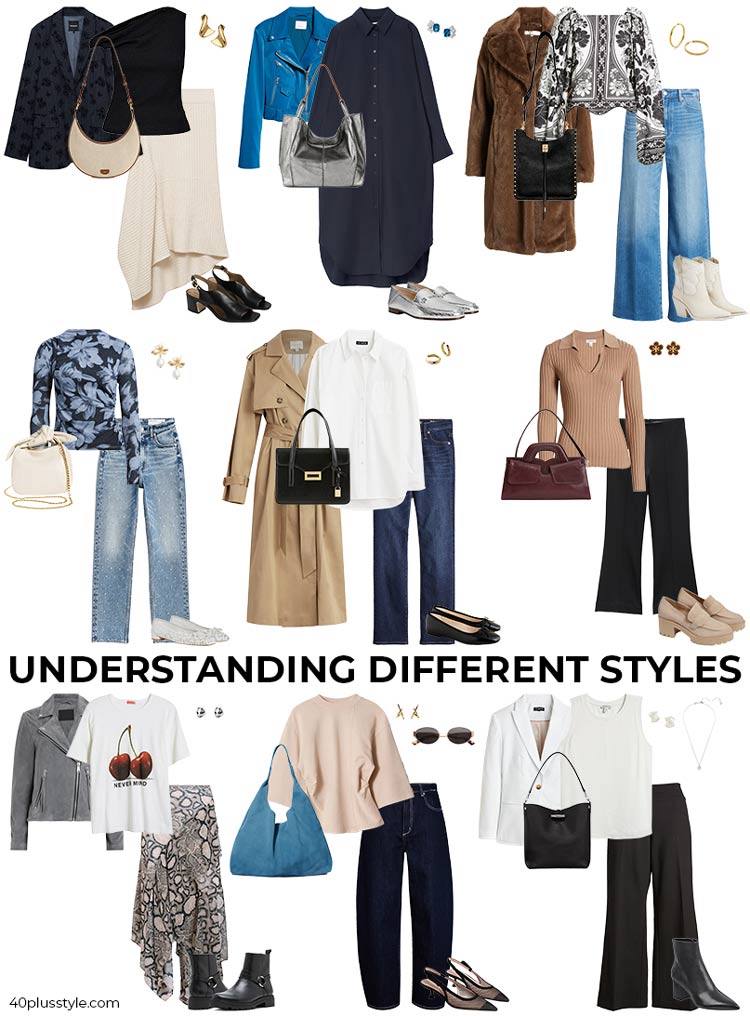
The Art of Non-Verbal Communication is a crucial aspect of our daily interactions, where our choices often communicate more than words alone. One of the most effective forms of non-verbal communication is your outfit. The clothes you wear can convey messages about your personality, social status, and even your mood. For instance, wearing a tailored suit may suggest professionalism and authority, while casual attire could indicate a more relaxed and approachable demeanor. Understanding the significance of your clothing choices can help you craft a conversation without uttering a single word.
When selecting an outfit, consider these key elements that contribute to non-verbal signals:
- Color: Different colors evoke different emotions; for example, red often symbolizes power, while blue conveys calmness.
- Fit: Well-fitted clothing suggests confidence, whereas ill-fitting garments can lead to a perception of neglect.
- Accessories: The right accessories can enhance your message, whether it's a watch that symbolizes sophistication or a bold necklace that showcases creativity.
By being mindful of these factors, your outfit can effectively communicate who you are and how you wish to be perceived without saying a word.
Counter-Strike is a highly competitive first-person shooter game that pits teams of terrorists against counter-terrorists in various objective-based missions. Players can choose to play different game modes, including bomb defusal and hostage rescue. For gamers looking to protect their gear, it's essential to find quality accessories like the Top 10 macbook sleeves that can keep their devices safe during intense gaming sessions.
Essential Wardrobe Staples That Elevate Your Style Effortlessly
Creating a chic wardrobe doesn't have to be complicated. By incorporating essential wardrobe staples, you can elevate your style effortlessly. Start with a classic white button-up shirt, which serves as the perfect base for various looks. Pair it with tailored trousers or a sleek pencil skirt for a polished office style, or dress it down with your favorite jeans for a casual outing. Another must-have is the little black dress; this versatile piece transitions seamlessly from day to night, allowing you to switch up your accessories for different occasions. Don't forget about a well-fitted blazer; it adds structure and sophistication to any ensemble.
Accessories play a crucial role in enhancing your wardrobe staples. A timeless leather handbag and a pair of classic pumps can instantly elevate your outfit, while a statement necklace or a simple pair of earrings adds a touch of personality. Consider investing in quality pieces that won’t go out of style, ensuring your wardrobe remains both functional and fashionable. Lastly, essential outerwear, such as a tailored coat or a classic denim jacket, is vital for completing your looks while keeping you warm and stylish. By focusing on these essential staples, you'll simplify your wardrobe choices and create countless stylish combinations.
Dressing for Success: What Your Clothes Say About You in Every Situation
In today's fast-paced world, the way we dressing for success holds significant weight in how we are perceived by others. Whether you're stepping into a boardroom, attending a networking event, or going on a casual outing, your clothing choices communicate a message about your professionalism and self-confidence. For instance, a tailored suit can reflect authority and ambition, whereas a laid-back outfit may convey approachability and creativity. Understanding this concept helps individuals make informed choices that align with their goals and the impression they wish to leave.
Moreover, dressing appropriately for different situations not only influences others' perceptions but can also affect your own mindset. According to various studies, wearing the right clothes can enhance your productivity and self-esteem, as you're more likely to feel reliable and competent in professional attire. To effectively dressing for success, consider these key factors:
- Understand the dress code for each situation.
- Choose colors and styles that reflect your personality.
- Ensure your clothes fit well and are comfortable.