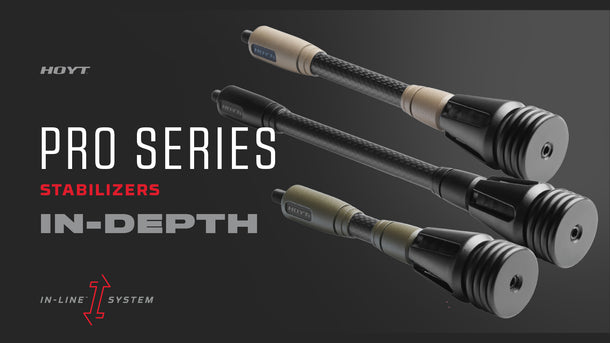
What Are Stabilizers and Why Are They Essential in Our Daily Lives?
Stabilizers are crucial components in various applications, ensuring that systems operate smoothly and efficiently. In the context of everyday life, stabilizers can be found in everything from food products to electronic devices. For instance, in the food industry, stabilizers help maintain texture and consistency in products like mayonnaise and salad dressings. They prevent separation and extend shelf life by enhancing stability. Similarly, in electronics, stabilizers regulate voltage levels, protecting devices from power surges that could lead to malfunction or damage.
The importance of stabilizers goes beyond just ensuring quality and performance; they also contribute significantly to safety and reliability. In the realm of automotive engineering, stabilizers are vital for maintaining vehicle stability and handling, especially when navigating turns or adverse conditions. Without them, the risk of accidents could increase dramatically. Furthermore, in personal finance, stabilizers in economic policies, like interest rate adjustments, help stabilize markets and can mitigate the effects of inflation and recession, impacting our daily lives overall.
Counter-Strike is a highly popular first-person shooter game that emphasizes teamwork and strategy. Players compete in various game modes, often focusing on bomb defusal or hostage rescue. To enhance your gameplay experience, consider checking out the Top 10 iphone video accessories that can help improve your streaming and recording capabilities. The game's competitive nature has spawned a thriving esports scene, making it a staple in the gaming community.
The Various Types of Stabilizers: Which One Do You Need?
When it comes to choosing the right stabilizer for your needs, understanding the various types of stabilizers is crucial. There are primarily three categories: electronic stabilizers, servo stabilizers, and automatic voltage regulators (AVR). Each type serves a specific purpose, so it's important to assess your power requirements and the appliances you need to protect. For instance, electronic stabilizers are more compact and are ideal for devices that consume less power, while servo stabilizers are suited for high-capacity appliances like air conditioners due to their ability to handle larger fluctuations in voltage.
Moreover, when considering which stabilizer you need, it's helpful to evaluate key factors such as load capacity, response time, and additional features. For example, an AVR can provide various levels of surge protection and noise filtering, making it a versatile option for home and office equipment. In summary, the right stabilizer depends on the specific requirements of your appliances and the environment in which they operate. Conduct thorough research and consult professionals if necessary to ensure you make an informed decision that maximizes the longevity and efficiency of your electronic devices.
How Stabilizers Improve Safety and Performance Across Industries
Stabilizers play a crucial role in enhancing safety and performance across various industries, from automotive to construction. By minimizing the effects of external forces, such as vibrations and shocks, they ensure that equipment operates smoothly and efficiently. For instance, in the automotive industry, stabilizers are essential for maintaining vehicle stability during sharp turns and sudden stops, significantly reducing the risk of accidents. Incorporating advanced stabilization technologies not only improves driver control but also optimizes fuel efficiency, showcasing the dual benefits of safety and performance.
In the realm of manufacturing, stabilizers are vital for machinery operational safety, particularly in heavy equipment and industrial processes. These components help maintain balance and predictability, which are crucial when dealing with large-scale materials. As companies strive to meet strict safety regulations, investing in high-quality stabilizers can lead to lower downtime and reduced injury risks among workers. Moreover, the integration of stabilizing systems can enhance overall production efficiency by ensuring that machines perform at their best under various conditions.