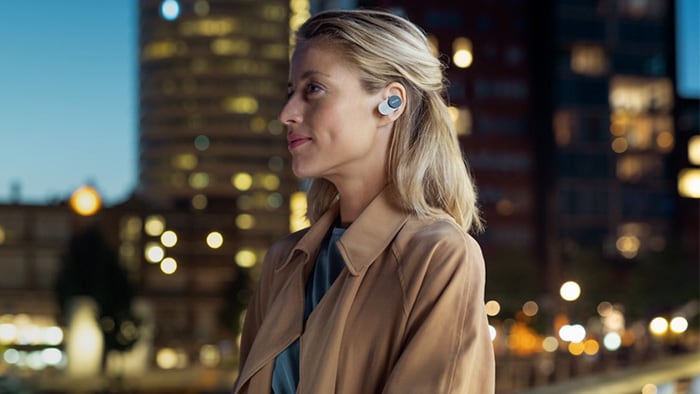
How Does Noise Cancelling Technology Work? An In-Depth Explanation
Noise cancelling technology operates by utilizing advanced engineering principles to reduce unwanted ambient sounds. The primary method of achieving this is through active noise cancellation (ANC), which employs microphones to pick up external noise, such as chatter or traffic sounds. The system then generates sound waves that are inverse in phase to the detected noise, effectively canceling it out when the two meet. This process is known as destructive interference and allows users to enjoy a more peaceful, immersive listening experience.
In addition to active noise cancellation, many devices also incorporate passive noise isolation techniques. This involves using physical barriers, such as padded ear cups or overlapping materials, to block sound waves from entering the ear. The combination of both active and passive noise cancelling technologies results in optimal performance for a wide range of environments, making these devices popular in headphones and earbuds. Understanding how these technologies work is essential for consumers looking to enhance their audio experience.
Counter-Strike is a highly popular tactical first-person shooter that has captivated gamers since its inception. With its emphasis on teamwork and strategy, players engage in intense rounds where they can choose to play as terrorists or counter-terrorists. For those looking to enhance their gaming experience, consider checking out the Top 10 Earbuds for Zoom Calls, which can provide excellent sound quality and communication clarity during gameplay.
The Evolution of Noise Cancelling: From Passive to Active Solutions
The journey of noise cancelling technology has been remarkable, evolving significantly from its early passive solutions to advanced active noise cancellation systems. Initially, passive noise cancelling was achieved through physical barriers such as thick padding and insulation materials, which helped block out unwanted ambient sounds. This approach was primarily found in over-ear headphones that utilized dense foam to create a seal around the ears, effectively reducing noise exposure and enhancing audio quality. However, while these passive methods were effective to an extent, they often fell short in environments with low-frequency noises, making room for innovations in active noise cancelling technology.
Active noise cancelling (ANC) technology revolutionized how we experience sound by employing sophisticated techniques to combat external noise. Using microphones to detect surrounding sounds, ANC systems generate sound waves that are phase-inverted to cancel out unwanted noise effectively. This advancement greatly improved the listening experience in various situations, from bustling city streets to crowded airplanes. Noise cancelling headphones today often combine both passive and active solutions, creating a hybrid model that offers users the best of both worlds. As technology continues to improve, we can anticipate even more refined and effective noise-cancelling solutions, catering to the growing demand for quieter auditory experiences in our increasingly noisy world.
Can Noise Cancelling Headphones Improve Your Focus?
Noise cancelling headphones have become increasingly popular in recent years, particularly among individuals seeking to enhance their productivity. These headphones utilize advanced technology to block out ambient sounds, allowing users to create a more focused and serene working environment. By significantly reducing background noise, such as chatter in an office or the hum of a busy café, noise cancelling headphones can help individuals immerse themselves in their tasks, leading to increased concentration and efficiency.
In addition to improving focus, noise cancelling headphones can also have a positive impact on mental well-being. Studies have shown that sustained exposure to distracting sounds can heighten stress levels and lower productivity. By providing a Quiet space, these headphones allow users to engage more deeply with their work, facilitating a flow state that fosters creativity and problem-solving. Ultimately, the investment in quality noise cancellation technology may not only enhance focus but also contribute to a healthier, more productive lifestyle.