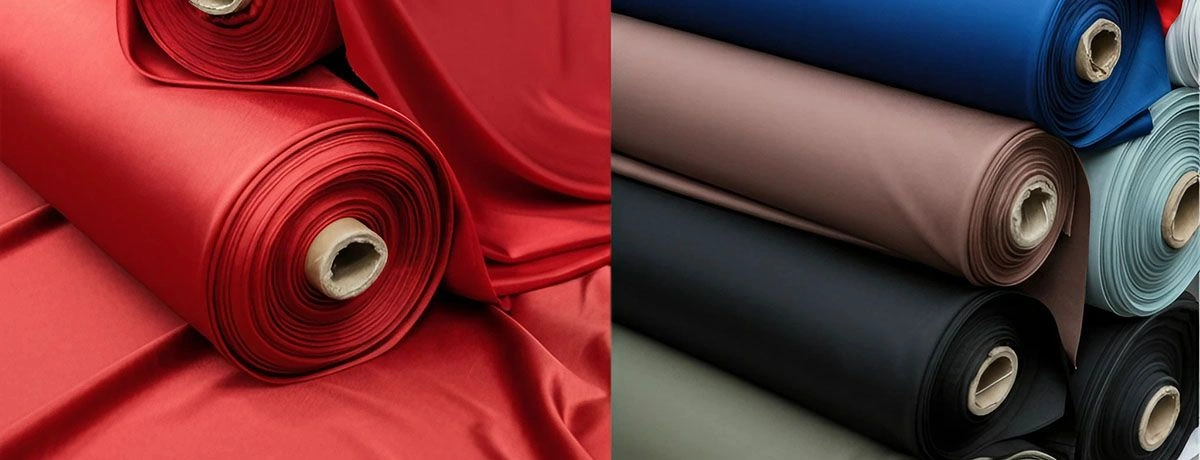
The Versatility of Nylon: Exploring Its Impact on Creative Expressions
Nylon, a synthetic polymer developed in the 1930s, has become an integral part of various creative expressions in fields ranging from fashion to art. Its versatility is evident in its ability to be molded, dyed, and manipulated into countless forms. For instance, designers appreciate its durability and elasticity, making it ideal for clothing, accessories, and even innovative textile art. In the realm of fashion, nylon has transformed the way materials are used, enabling the creation of lightweight and breathable garments that combine both functionality and style.
Moreover, the impact of nylon extends beyond the apparel industry into the world of visual arts and crafts. Artists utilize nylon fibers in various mediums, such as sculpture and installations, to create striking visual effects. Its reflective properties and range of colors allow for unique expressions that elevate traditional art forms. Additionally, its use in recreational activities, like kite making and parachuting, highlights its role as a medium for innovation and creativity.
Counter Strike is a highly popular first-person shooter game that pits two teams, terrorists and counter-terrorists, against each other. Players engage in tactical gameplay requiring teamwork and strategy to complete objectives. Additionally, if you're looking for reliable gear to enhance your gaming experience, check out the Top 10 Apple Watch Bands for Sweating for some useful recommendations.
From Fashion to Art: How Nylon Influences Modern Design Trends
The versatility of nylon has made it a cornerstone in both fashion and art, serving as a medium that seamlessly blends functionality with aesthetic appeal. From the runways of Paris to contemporary art installations, designers are increasingly exploring how this durable synthetic fiber can be manipulated to create striking visual elements. Not only does it offer a unique texture and form, but its flexibility allows artists and fashion designers to push the boundaries of traditional design. For example, nylon fabric is used in avant-garde garments that challenge conventional silhouettes, bringing a fresh perspective to the fashion world.
Moreover, the influence of nylon extends beyond clothing into the realm of modern design trends. The material's lightweight and water-resistant properties have made it a favorite choice for modern home decor, particularly in industries focused on sustainable and eco-friendly practices. Products such as nylon-woven rugs and art installations are gaining traction, showcasing how this material can be integrated into everyday aesthetics. As we move forward, it is evident that nylon will continue to play a pivotal role in shaping the future of both fashion and art, pushing creative limits and redefining what modern design means.
Nylon vs. Nature: Can This Synthetic Material Inspire Sustainable Creativity?
As the world grapples with environmental issues, the debate around synthetic materials like nylon becomes increasingly relevant. While nylon offers outstanding durability and versatility, it is derived from petroleum, a non-renewable resource. Its production process emits greenhouse gases and contributes to pollution. Yet, the potential to inspire sustainable creativity exists within this material. For instance, designers and innovators are experimenting with recycled nylon sourced from discarded fishing nets and other waste, transforming a harmful legacy into a resource for eco-friendly products.
Moreover, the conversation around nylon extends to its connection with nature. Brands are beginning to recognize the importance of transparency and circularity in their manufacturing processes. Initiatives involve using bio-based alternatives to nylon, as well as employing sustainable practices in production and sourcing. By fostering a creative mindset, the fashion and textile industries can find a balance between the undeniable benefits of synthetics and the pressing need for environmental stewardship. In this light, nylon can indeed serve as a catalyst for innovative approaches to sustainability.