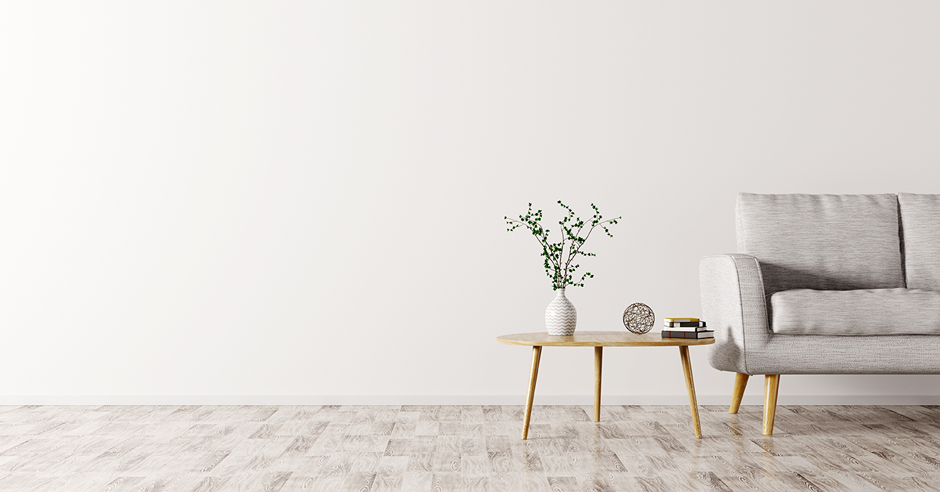
The Benefits of Minimalism: How Simplifying Your Life Can Reduce Stress
Minimalism is more than just a trend; it's a lifestyle choice that can profoundly impact your mental and emotional well-being. By simplifying your life, you can significantly reduce stress levels. Embracing minimalism encourages you to let go of physical clutter around you, which, in turn, helps declutter your mind. When your environment is free from distractions and unnecessary items, you can focus better on what truly matters, leading to a calmer and more balanced state of mind.
Furthermore, minimalism fosters a sense of clarity and purpose. According to research, individuals who adhere to a minimalistic lifestyle report feeling less overwhelmed by daily tasks. This newfound clarity allows for improved decision-making and prioritization of important life aspects. Here are some key benefits of adopting minimalism:
- Reduced anxiety: Less clutter leads to less stress.
- More time: Fewer possessions mean less maintenance and cleaning.
- Enhanced focus: More mental space to concentrate on goals.
Counter-Strike is a popular tactical first-person shooter game that pits teams of terrorists against counter-terrorists in various game modes. Players must work together, utilizing strategy and communication to achieve objectives such as planting or defusing bombs. For those looking to protect their devices while gaming, check out the Top 10 iPhone slim cases for some great options.
10 Easy Steps to Declutter Your Space and Embrace Minimalism
Embracing minimalism begins with the simple act of decluttering your space. Follow these 10 easy steps to create an environment that fosters peace and productivity. Start by setting a timer for 15 minutes each day to tackle one specific area, whether it's a drawer or a shelf. This approach makes the task less daunting and allows you to make noticeable progress quickly.
- Assess your belongings: Take stock of what you truly need.
- Sort items: Create categories—keep, donate, or discard.
- Start small: Focus on one area at a time.
- Use the 'one in, one out' rule: For every new item, let go of an existing one.
- Limit storage: Use fewer containers to avoid clutter accumulation.
- Choose quality over quantity: Invest in fewer, higher-quality items.
- Set clear goals: Know why you want to declutter.
- Be consistent: Regularly evaluate your space.
- Celebrate progress: Acknowledge each step toward a minimalist lifestyle.
- Maintain the mindset: Embrace the simplicity that comes with less.
Is Minimalism Right for You? Questions to Consider Before Simplifying Your Life
As you explore the concept of minimalism, it's essential to ask yourself if this lifestyle truly aligns with your values and goals. Start by considering these questions: What things bring you joy? and Are there possessions that feel like a burden? Reflecting on your relationship with material items can help you assess whether simplifying your life would enhance your overall well-being. Furthermore, it’s crucial to evaluate your current commitments. Are your responsibilities overwhelming you? If so, minimalism might offer a pathway to more peace and clarity.
Next, think about your emotional attachment to belongings. Are you holding on to items out of obligation rather than joy? A minimalist approach encourages letting go of possessions that do not serve a meaningful purpose. Additionally, consider your social environment: Can you maintain relationships with the people in your life while living more minimally? Sometimes, our connections can be tied to the things we own. By addressing these questions, you can better determine if minimalism is right for you and if the journey toward a simpler life is worth pursuing.