The Science Behind Your Grip: How Handhold Affects Performance
The science behind your grip plays a crucial role in determining overall performance in various activities, from sports to everyday tasks. Grip strength can influence how well you can control tools, equipment, and even weights, impacting your efficiency and effectiveness. Research shows that a firm grip not only enhances stability but also improves coordination and balance, allowing individuals to perform at their peak. A study by the American College of Sports Medicine revealed that athletes with stronger grip strength tend to achieve better results in their respective disciplines. This underscores the significance of optimizing your handhold for improved athletic performance and functional fitness.
To enhance your grip strength, it's essential to incorporate specific exercises into your training routine. Consider including the following methods to improve your handhold:
- Wrist Curls – Focus on strengthening the flexor muscles in your forearm.
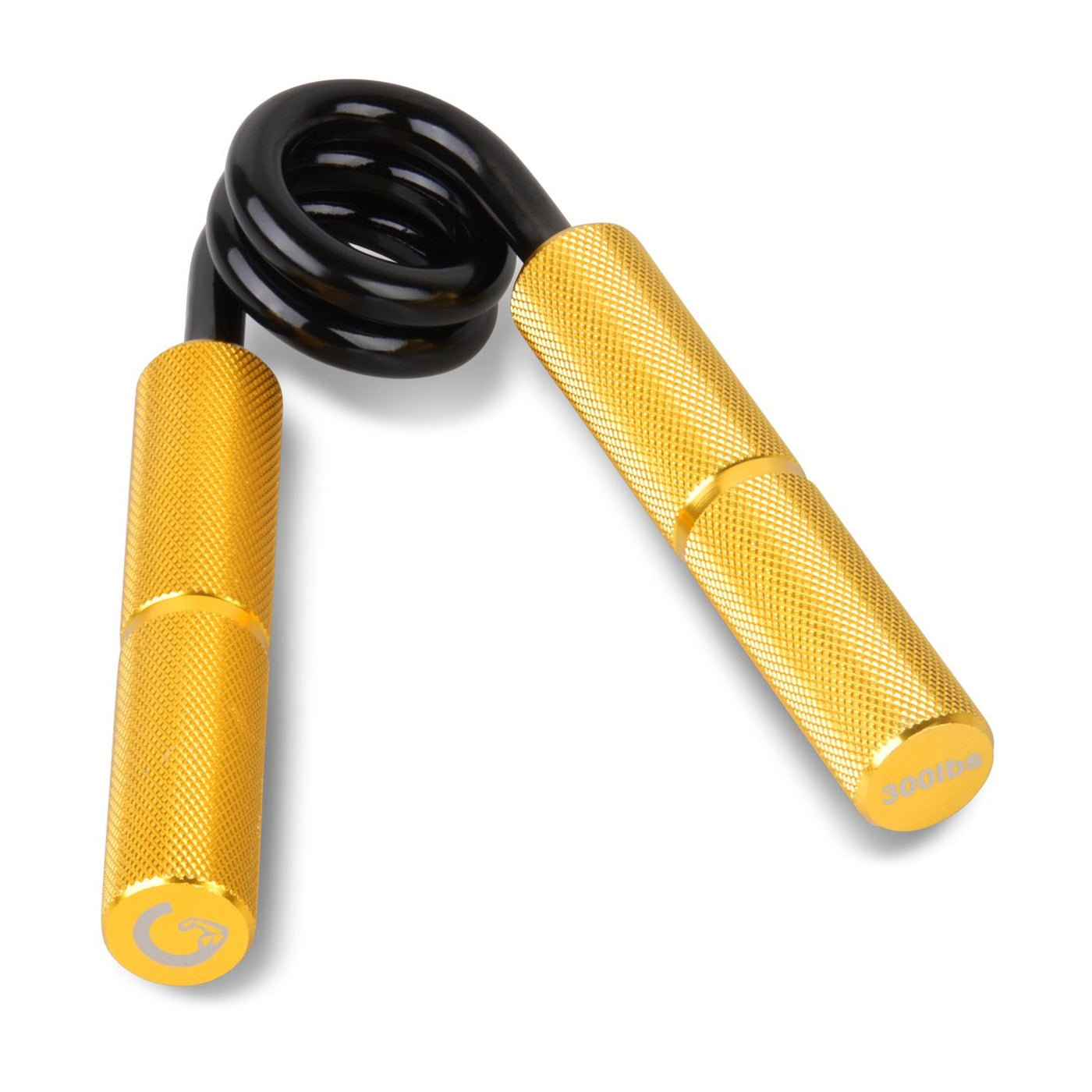
- Hand Grippers – These tools can help build both grip strength and endurance.
- Dead Hangs – Hanging from a bar can improve your grip while also working on shoulder stability.
By integrating these exercises into your regimen, you can significantly influence your performance levels, demonstrating how vital the science of grip truly is in achieving your goals.
Counter-Strike is a popular tactical first-person shooter game that has dominated the esports scene since its release. Players can choose to play as terrorists or counter-terrorists, engaging in intense matches that require teamwork, strategy, and precision. Many gamers enhance their experience with various gaming accessories, such as the Top 10 One Hand Grips for iPhone, which allow for better control during mobile gameplay.
Grip Strength and Technique: Secrets Every Climber Should Know
Grip strength is a critical component of climbing that can often mean the difference between reaching the summit and falling short. Climbers should focus on developing their grip strength through a variety of exercises, including hangboarding, dead hangs, and using squeeze balls. By incorporating these exercises into your training regime, you can improve your finger strength, which is essential for holding onto small holds and maintaining control during challenging ascents. Remember, building grip strength takes time and consistency, so stay patient and persistent.
In addition to grip strength, technique plays an equally important role in climbing effectiveness. It's important for every climber to master the three fundamental techniques: body positioning, footwork, and balance. Proper body positioning allows climbers to use their core and legs effectively, reducing the strain on their arms. Footwork should be precise—placing your foot correctly can help transfer weight smoothly and reduce fatigue. Lastly, maintaining good balance enables climbers to stay secure on the wall, allowing for better grip application and minimizing the risk of falling. By honing these techniques, you can elevate your climbing game to new heights.
Is Your Handhold Holding You Back? Common Mistakes to Avoid
When it comes to learning new skills or pursuing personal growth, the concept of a handhold—be it a mentor, a resource, or a social circle—can be a tremendous asset. However, it can also become a limiting factor if you find yourself overly dependent on it. One common mistake is over-reliance on these handholds, which can stifle your ability to think independently and solve problems creatively. Instead of using your handhold as a stepping stone to further development, you might unintentionally turn it into a crutch that hinders your progress.
Another significant misstep is not recognizing when your handhold is no longer beneficial. It's important to regularly evaluate your support systems and consider if they are fostering growth or holding you back. Ask yourself: Are you surrounding yourself with people who challenge you, or do they merely reinforce your existing beliefs? Additionally, staying too long in your comfort zone can prevent you from exploring new opportunities. The key is to strike a balance—utilize your handhold as a resource while being willing to step away when it becomes counterproductive.