The Science Behind Ergonomics: How Workspace Design Boosts Productivity
The integration of ergonomics into workspace design is not merely a trend but a crucial factor in enhancing employee productivity. Research indicates that well-designed workspaces can lead to a significant reduction in physical strain, ultimately contributing to improved focus and efficiency. By incorporating features such as adjustable chairs, proper desk height, and optimal screen positioning, companies can create an environment that supports natural body posture and minimizes discomfort. According to a study by the American Journal of Public Health, workplaces that prioritize ergonomics see a 25% increase in productivity levels among employees.
Moreover, the psychological aspects of ergonomic design cannot be overlooked. A workspace that prioritizes comfort and functionality fosters a positive mental state, which is vital for creative thinking and problem-solving. Elements such as adequate lighting, vibrant colors, and organized spaces can significantly influence motivation and morale. By understanding the science behind ergonomics, organizations are better equipped to design work environments that not only cater to the physical needs of employees but also nurture their mental well-being, leading to an overall boost in productivity.
Counter-Strike is a popular tactical first-person shooter game that has captivated millions of players worldwide since its release. The game emphasizes teamwork, strategy, and precision, as players engage in various game modes like bomb defusal and hostage rescue. For those looking to enhance their gaming experience, it's essential to have the right setup. You can find a great list of Top 10 work from home accessories that can complement your gaming environment.
10 Essential Ergonomic Tips for a Healthier Work Environment
Creating a healthier work environment is essential for boosting productivity and enhancing overall well-being. Here are 10 essential ergonomic tips to help you achieve this:
- Ensure your chair is adjustable and supports your lower back.
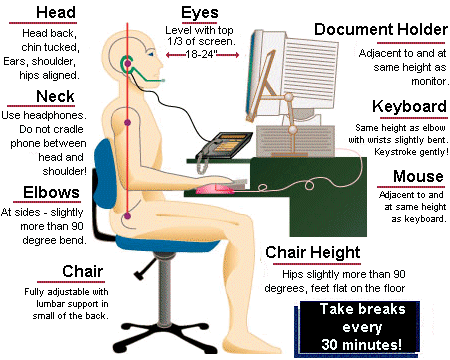
- Maintain a proper monitor height so that your eyes are level with the top third of the screen.
- Keep your feet flat on the floor or use a footrest.
- Position your keyboard and mouse close enough to avoid reaching.
- Incorporate regular breaks to stretch and move around.
- Use an ergonomic desk layout to minimize strain.
- Keep frequently used items within easy reach to avoid excessive twisting or stretching.
- Adjust lighting to reduce glare on your screen.
- Practice good posture by keeping your back straight and shoulders relaxed.
- Consider using ergonomic tools, such as chair cushions or wrist supports.
Implementing these ergonomic tips can dramatically improve your comfort and productivity at work. Remember, taking the time to make these adjustments can lead to a more enjoyable and healthier work environment. Always listen to your body, and if you notice discomfort, reassess your setup and make necessary changes to adhere to ergonomic principles.
Is Your Workspace Costing You Productivity? Discover the Role of Ergonomics
In today's fast-paced work environment, productivity is often hindered by a poorly designed workspace. Did you know that more than musculoskeletal disorders can arise from an ergonomically unsound setup? The right chair, desk height, and monitor position can significantly impact your comfort and efficiency. Consider the following elements to enhance your workspace:
- Chair height: Your feet should rest flat on the floor.
- Desk height: Keep your elbows at a 90-degree angle.
- Screen position: The top of your monitor should be at eye level.
Implementing ergonomic strategies is not just about comfort; it's also about boosting your overall productivity. A well-structured workspace minimizes distractions and streamlines tasks, allowing for better focus and efficiency. Many employees report that after making simple adjustments to their workspace, they experience increased energy levels and a noticeable decline in fatigue. To fully reap the benefits of an ergonomic setup, consider conducting regular assessments and adjustments, ensuring that your workspace continues to support your productivity goals.