5 Essential Ergonomic Tips for a Healthier Workspace
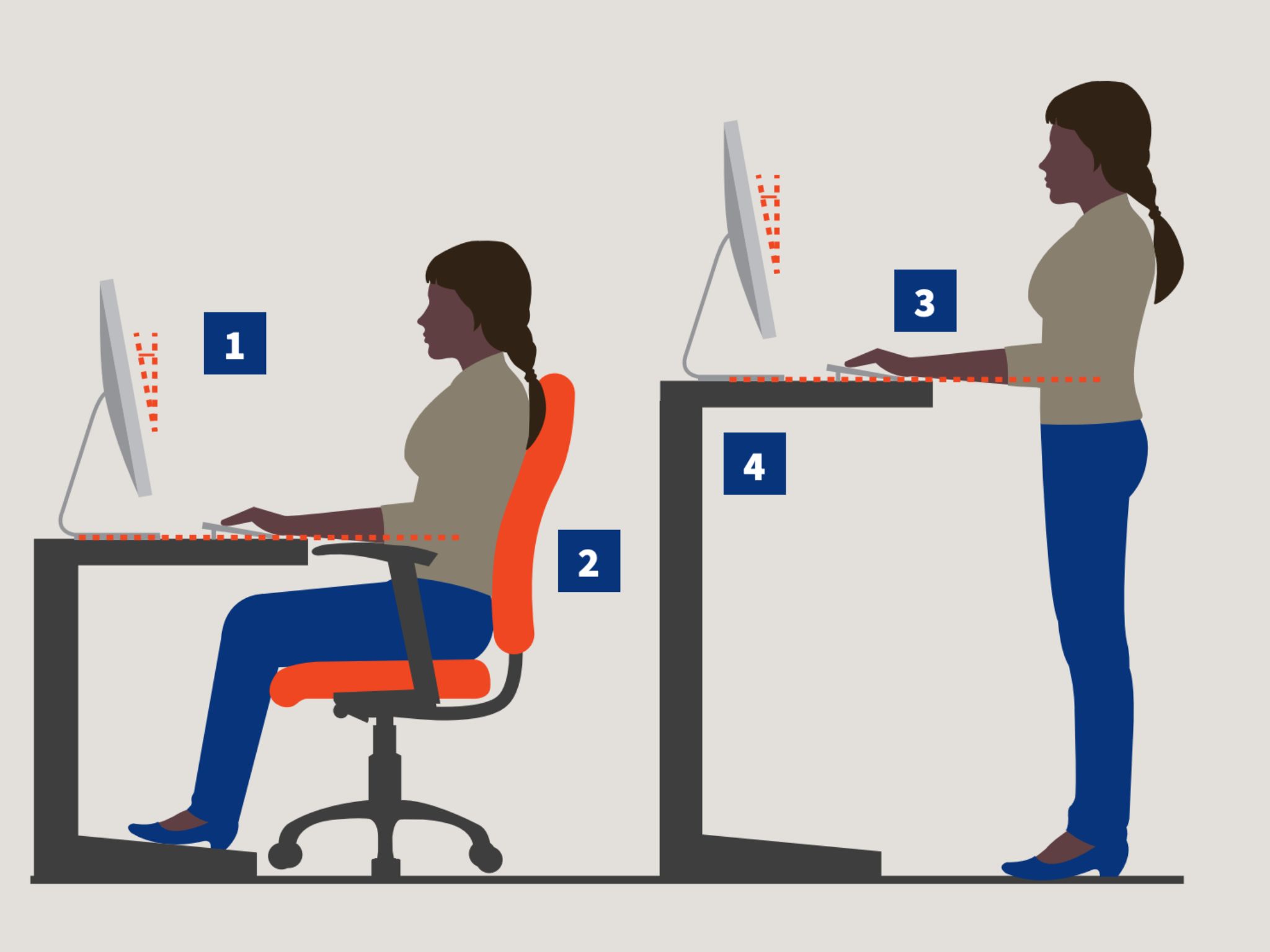
Creating a healthier workspace is crucial for maintaining both productivity and well-being. Here are 5 essential ergonomic tips to help you optimize your work environment:
- Invest in a Quality Chair: A good ergonomic chair provides necessary lumbar support and helps maintain the natural curve of your spine. Look for adjustable features that allow you to tailor the fit to your body.
- Monitor Positioning: Your computer monitor should be at eye level, about an arm's length away. This reduces strain on your neck and eyes, promoting a healthier posture.
Additionally, consider your workspace layout. Ensure that all frequently used items are within arm's reach to minimize unnecessary stretching or twisting. Take Regular Breaks: Schedule short breaks every hour to stand up, stretch, and move around. This helps reduce fatigue and improves circulation. Lastly, remember to keep your wrists straight and hands at or below elbow level when typing to avoid repetitive strain injuries.
- Use Proper Lighting: Adequate lighting can help reduce eye strain, so invest in good lighting or position your workspace near natural light.
- Stay Hydrated: Don't forget to keep a water bottle at your desk to remind yourself to drink water throughout the day, supporting both physical and mental health.
Counter-Strike is a popular multiplayer first-person shooter that has captivated gamers since its release. Players compete in teams, taking on roles such as terrorists and counter-terrorists, with the objective of completing missions or eliminating the opposing team. For those looking to enhance their gaming experience on a Mac, check out the Top 10 MacBook Air accessories that can help improve performance and comfort.
How to Choose the Right Ergonomic Chair for Your Needs
Choosing the right ergonomic chair is essential for maintaining comfort and productivity, especially if you spend long hours seated. Start by considering key features such as lumbar support, adjustability, and seat cushioning. Look for chairs that allow you to modify the height, backrest angle, and armrest position to fit your unique body shape. A chair with good lumbar support is crucial for preventing lower back pain, which is a common issue for those who sit for extended periods.
Next, make sure to test the chair before you buy it if possible. Sit in it for at least 10-15 minutes to assess comfort and support. Additionally, read reviews and ratings from other users to get a better understanding of the chair's long-term performance. Don't forget about aesthetics; the look of the chair should also fit your workspace decor without compromising on functionality. By weighing these factors, you can make an informed choice that aligns with your personal preferences and ergonomic needs.
Is Your Workspace Causing You Pain? Signs of Poor Ergonomics to Look For
In today's digital age, many of us spend countless hours at our desks, making ergonomics an essential consideration for health and productivity. One of the first signs that your workspace might be causing you pain is persistent discomfort in your neck, back, or wrists. These symptoms often arise from poor posture or inadequate seating arrangements. If you find yourself frequently adjusting your chair or hunching over your keyboard, it may be time to assess your workspace setup.
Another indication of poor ergonomic practices is frequent headaches or eyestrain. These issues can stem from inadequate lighting, screen glare, or improper monitor height. To improve your situation, consider implementing these tips:
- Adjust your chair so that your feet rest flat on the ground
- Ensure your monitor is at eye level to prevent neck strain
- Use an ergonomic keyboard to alleviate wrist pressure