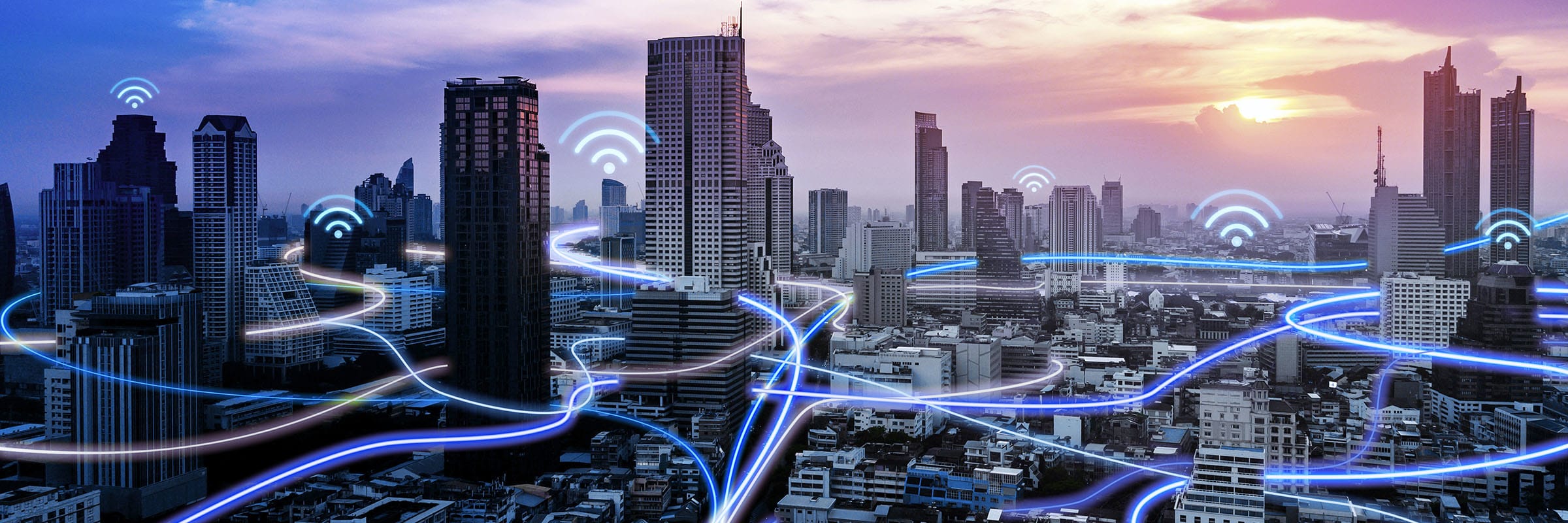
The Paradox of Digital Connection: Exploring the Loneliness Epidemic
The rise of digital technology has connected millions of people worldwide, yet paradoxically, it has also fueled a profound sense of isolation. Despite our ability to communicate instantly via social media, texting, and video calls, many individuals report feeling increasingly lonely. This loneliness epidemic raises critical questions about the quality of our interactions; while we are more connected than ever, the depth of these connections often lacks the emotional richness that comes from face-to-face encounters. According to recent studies, individuals who engage primarily in online interactions may experience heightened feelings of loneliness compared to those who maintain in-person relationships.
Understanding this paradox requires a closer look at the nature of our digital connections. As people turn to platforms like Facebook and Instagram to share their lives, the curated representations often lead to comparisons that leave them feeling inadequate or disconnected. Moreover, the shift towards digital communication can inhibit our ability to develop meaningful bonds. Social skills may suffer as we trade genuine emotional exchanges for superficial likes and comments. To combat the loneliness epidemic, it is essential to strike a balance by incorporating more personal connections into our lives and recognizing the importance of authentic relationships in fostering a sense of belonging.
Counter-Strike is a popular multiplayer first-person shooter game that tests players' teamwork and strategic skills. In the game, players are divided into teams, usually terrorists and counter-terrorists, each with specific objectives. For those interested in gaming accessories, check out the Top 10 apple tv remotes to enhance your gaming experience.
Are We Losing Genuine Connections in a Hyper-Connected World?
In today's hyper-connected world, it seems that genuine connections are fading into the background as technology drives our social interactions. While social media platforms and instant messaging create a facade of connectivity, they often fall short of nurturing meaningful relationships. Instead of engaging in deep conversations, many find themselves scrolling through curated feeds, focusing more on likes and shares than on personal interactions. This loss of genuine connections raises critical questions about the quality of our relationships and their impact on our emotional well-being.
Moreover, the overwhelming presence of digital communication can lead to a sense of isolation. As we become more accustomed to virtual exchanges, we may inadvertently neglect the value of face-to-face interactions. A study published in the Journal of Social and Personal Relationships highlights that in-person conversations foster deeper emotional bonds, amplifying the importance of nurturing real-life connections. To counteract this trend, we must consciously prioritize authentic interactions, setting aside screens to engage with those around us in meaningful ways.
The Psychology Behind Modern Isolation: Understanding Our Social Disconnect
The phenomenon of modern isolation can be profoundly understood through the lens of psychology, as individuals increasingly find themselves disconnected from traditional social networks. Social disconnect is fueled by various factors, including the rise of technology and social media, which, paradoxically, are meant to bring people closer together. According to numerous studies, while online interactions have increased, they often lack the depth and emotional connection that face-to-face communication provides. This shift has led many to experience feelings of loneliness, triggering a cycle of withdrawal that further exacerbates their isolation.
Furthermore, modern society often places a premium on individualism, creating an environment where collective experiences are undervalued. Understanding our social disconnect requires acknowledging these psychological effects. For instance, cognitive dissonance theory suggests that individuals may feel discomfort when their online personas do not match their offline realities. This dissonance can lead to an even greater sense of isolation, as people question their self-worth and struggle to form genuine relationships. As we delve deeper into the psychology behind modern isolation, it becomes crucial to consider these dynamics and their implications for mental health and community well-being.