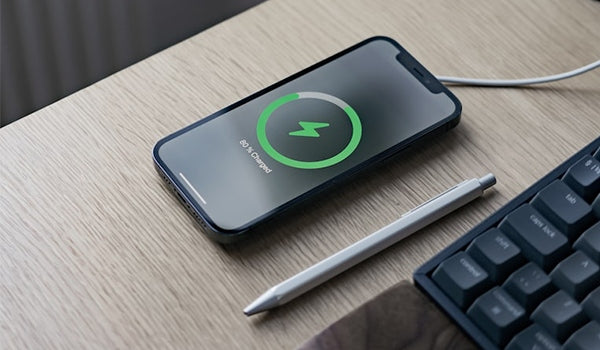
The Science Behind Fast Charging: How It Works
The science behind fast charging revolves around the principles of electric current and the materials used in batteries. Fast charging technology leverages higher voltage levels and increased current to deliver energy to a device's battery at a much quicker rate than standard charging. While traditional chargers typically operate at 5V and deliver a lower current, fast chargers can operate at 9V or even 12V, allowing for a significant reduction in charging time. This is made possible through sophisticated charging circuits that communicate with the device to optimize the charging process, adjusting voltage and current based on the battery's needs.
Additionally, the use of advanced materials like lithium-ion and lithium-polymer batteries also plays a critical role in enabling faster charging. These batteries are designed to handle higher charge and discharge rates without compromising their lifespan or performance. To further enhance this process, many manufacturers implement temperature management techniques to prevent overheating during rapid charging, ensuring safety and efficiency. Understanding the science behind fast charging not only highlights the technology's advancements but also informs consumers about managing battery health for longevity.
Counter-Strike is a popular first-person shooter game that has captivated millions of players worldwide. It emphasizes teamwork, strategy, and skill, leading to intense multiplayer matches. Players can choose between different modes, with objectives ranging from bomb defusal to hostage rescue. If you're interested in enhancing your gaming experience, you might want to check out the Top 10 Car Chargers for Apple Watch for those long gaming sessions on the go.
5 Myths About Fast Charging Debunked
Myth 1: Fast charging damages your battery. One of the most common misconceptions is that fast charging will inherently harm your smartphone's battery life. In reality, modern smartphones are equipped with advanced battery management systems designed to handle higher currents safely. These systems regulate the charging speed based on the battery's temperature and health, ensuring that no damage occurs during the fast charging process. Therefore, utilizing fast charging can actually enhance your device's usability without compromising battery longevity.
Myth 2: All fast chargers are the same. Not all fast chargers provide the same charging speed or efficiency. Different manufacturers use varying technologies, such as Qualcomm Quick Charge, USB Power Delivery, or proprietary systems. It's crucial to use a charger that is compatible with your device, as using the wrong one may not only result in slower charging times but could also pose safety risks. Always check your device's recommended specifications to ensure optimal performance.
Is Fast Charging Bad for Your Battery Health?
Fast charging has become a popular solution for those seeking convenience and efficiency in their busy lives. However, many users are left wondering, is fast charging bad for your battery health? The truth is that fast charging does generate more heat compared to regular charging methods. This increased heat can accelerate the chemical reactions inside a battery, potentially leading to reduced lifespan over time. While manufacturers have designed modern batteries to tolerate fast charging, it is essential to use compatible chargers and devices to minimize any adverse effects.
To ensure your battery remains healthy while benefiting from fast charging, consider the following tips:
- Use the charger provided by your device manufacturer to avoid over-voltage.
- Avoid charging your device in hot environments, as heat severely affects battery health.
- Try to unplug your device once it reaches a full charge, rather than leaving it plugged in for prolonged periods.