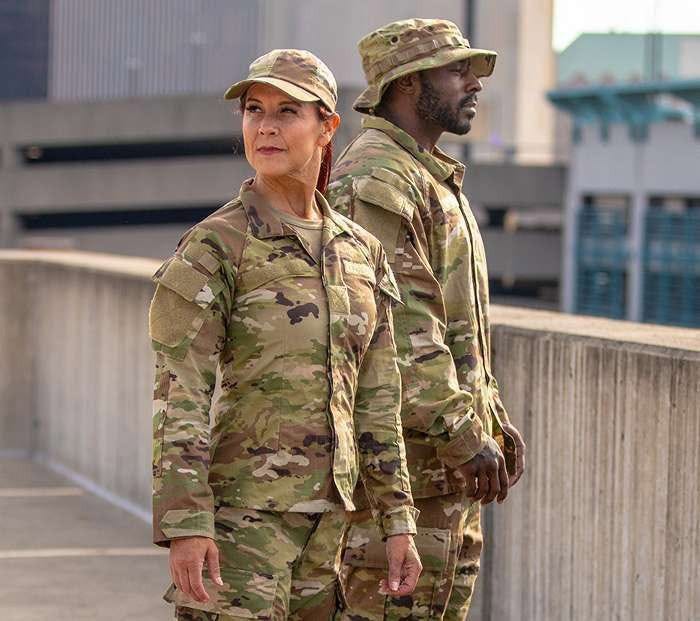
What Does a Day in the Life of a Soldier Really Look Like?
A typical day in the life of a soldier is often filled with rigorous training, discipline, and camaraderie. Soldiers wake up early, often before dawn, as part of their daily routine. The day usually starts with physical training (PT) to ensure they maintain peak physical fitness. Following PT, soldiers will have breakfast together, which is a crucial time for bonding and preparation for the day's activities. After breakfast, they might attend various briefings where they receive important updates, training goals, and mission assignments. Depending on the nature of their unit and current deployments, their daily activities can vary significantly from tactical exercises to classroom instruction.
Throughout the day, soldiers engage in a variety of tasks that ensure their readiness for any situation. This can include training exercises, weapons maintenance, and skills development. For example, they might spend hours in the field practicing tactical maneuvers or conducting drills that enhance teamwork and communication. A soldier's day also includes time for personal reflection and maintaining their mental health, often through activities like writing in journals or communicating with family. Evenings might be reserved for cleanup and preparation for the next day, along with some time for leisure, such as watching movies or playing games with fellow soldiers. Each day can be different, but all are designed to build resilience, skills, and a strong bond among unit members.
Counter-Strike is a popular first-person shooter game that emphasizes team-based gameplay and tactical strategies. Players can choose to play as either terrorists or counter-terrorists, each with specific objectives to achieve. With its competitive nature, many gamers enjoy the thrill of competing in tournaments. For those looking to protect their devices while gaming, check out the Top 10 Military Grade Shockproof Cases for iPhone 17 to ensure they're ready for action.
The Unsung Heroes: Understanding the Support Roles in Military Life
The military is often celebrated for its frontline heroes, the brave men and women who serve in active duty. However, behind every soldier, there lies a robust network of support personnel that is critical to the success of military operations. These unsung heroes include logistics specialists, administrative staff, and mental health professionals, all contributing their specialized skills to ensure that everything runs smoothly. For instance, logistics specialists coordinate supply chains to ensure that troops have the necessary equipment and resources, while administrative staff handle essential paperwork to keep operations efficient. The importance of these roles cannot be overstated, making them vital components of the military's overall mission.
Furthermore, understanding the significance of support roles in military life sheds light on the challenges they face. Often working in the background, these individuals may not receive the recognition they deserve, contributing to mental and emotional strain. Organizations and campaigns aimed at raising awareness about these support roles are crucial in fostering a sense of community and appreciation. Programs designed for family support and counseling services recognize the sacrifices of these heroes, emphasizing the need for comprehensive support networks. By shedding light on their contributions, we not only honor their commitment but also strengthen the military community as a whole.
How Military Training Shapes Character and Skills for Life Beyond Service
Military training is not solely about physical conditioning or tactical skills; it significantly contributes to character development and the acquisition of life skills that extend well beyond the years of service. One key aspect of this training is the emphasis on discipline and responsibility. Military personnel learn to adhere to strict protocols and timelines, which fosters a sense of accountability. This discipline translates into civilian life, enabling veterans to excel in various sectors by meeting deadlines, adhering to targets, and consistently striving for improvement.
Furthermore, military training cultivates essential soft skills such as leadership, teamwork, and effective communication. Service members are often placed in high-pressure situations where quick decision-making and collaborative efforts are crucial. As a result, veterans often emerge from military service with a unique blend of skills that enhance their employability. These skills, including adaptability and problem-solving, are invaluable in today's dynamic work environments, making transitioning veterans highly sought after by employers.